
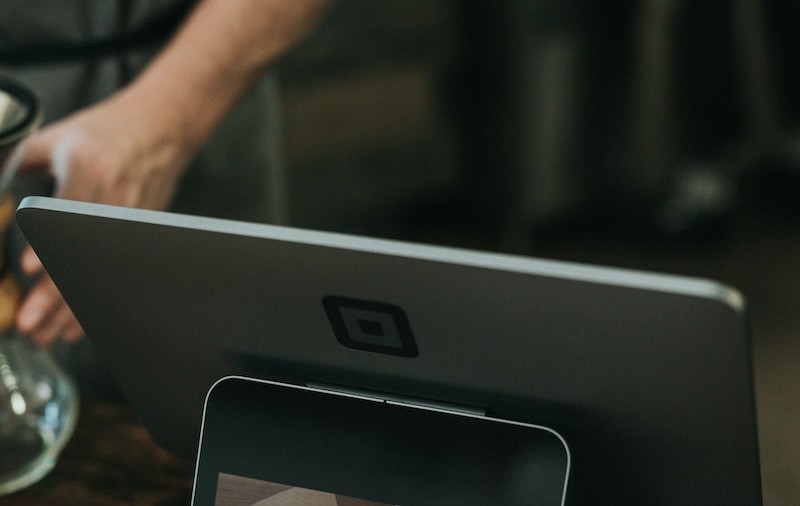
Square works fine for many startups. Yet plenty of restaurants, cafes, bars, food trucks, and local shops reach a point where they want more control.
At some point, they outgrow simple counter checkout and need table maps, kitchen screens, seat-level split checks, handhelds, and real phone support. That is one reason many owners start comparing Square POS alternatives. Another is cost.
In this guide, we cover why many businesses switch from Square, compare the top alternatives, and share tips on how to choose one. By the end, you’ll know which system fits your business model and your day-to-day needs.
Why Businesses Look for Square Alternatives
Square is easy to start with. That is a big part of its appeal. Still, easy at the start does not always stay practical later on. Most businesses leave once fees, service limits, or feature gaps start costing real money.
Square lists a standard in-person rate of 2.6% + 15¢ per tap, dip, or swipe, which can feel much heavier once card volume climbs.
If you process $20,000 a month, the percentage-only piece is about $520 before the 15¢ per-transaction charge. At $50,000, that base percentage grows to about $1,300.
Square does offer offline payments on supported devices, though its help docs note the limits and risks. Some actions wait until service returns, and offline card sales can still fail later if the issuer declines the card once the device reconnects.
Risk reviews can create stress. Square’s legal terms allow holds, reserves, or account action after risk checks. That is common in payment processing, yet it hits harder when your business falls into a category with extra scrutiny.
Square offers restaurant features, though many full-service teams want deeper floor maps, kitchen tools, and staff controls than a simple setup provides.
Best Square POS Alternatives
Blogic Systems
Blogic is the top choice for restaurants where internet reliability directly affects revenue, food trucks, busy kitchens, and areas with spotty service.
The biggest difference between Blogic and Square is that Blogic continues to work without an internet connection. It uses a hybrid setup with local store operations and background online sync. That means staff can keep taking orders, sending tickets, splitting checks, and closing sales even if the connection drops. That is a big deal in restaurants, cafes, bars, and food trucks, where a short service interruption can wreck an entire shift.
Square’s offline card support is more limited. Blogic is built for full in-store use first, then sync after service returns.
The second big difference is cost. Blogic promotes a 0% credit card processing fee program. Ask for details on how the fee setup works in your state and for your card mix, since fee programs can be structured differently.
Now let’s talk restaurant tools.
Blogic is built for hospitality teams that need more than a simple counter sale. Features include:
Table management with seat-level service
Split checks by seat or item
QR ordering and phone pay
Handheld ordering and payment
Kitchen display support
Delivery links with DoorDash, Uber Eats, and Grubhub
Inventory tracking
Shift scheduling
Payroll sync
Gift cards and loyalty
Real-time reporting
That mix fits a wide range of restaurant setups. Full-service dining rooms can use table tools and split checks. Quick-service stores can use handheld devices and QR code ordering. Food trucks get a setup that still works when service is spotty. Multi-concept groups get one system across sites.
What is the trade-off? Blogic leans hard into restaurants. A pure retail shop or an online-first brand may find a retail-focused system easier to align with its needs.
Pricing note: Blogic uses quote-based pricing, so you will need a demo or sales call to get exact numbers.
Toast
Toast is one of the most common names that comes up when restaurants leave Square. It includes restaurant tools that many owners want right out of the box. You get:
Table service
Handhelds
Kitchen display screens
Online ordering
Gift cards
Payroll options
Loyalty and marketing add-ons
For a busy full-service restaurant, that all-in-one menu is appealing.
So why do some owners still keep shopping?
Cost is a major reason. Toast can become expensive once you add the tools:
Hardware
Extra locations
Payroll
Loyalty
Online ordering upgrades
Advanced reporting
The platform uses its own Android hardware, so you stay within Toast’s hardware family. Some operators love that one-vendor setup. Others want more freedom.
There is another point. Blogic has a stronger story for full in-store use during internet loss. Toast does have tools to keep parts of the service active, yet it does not offer the same local-first setup that Blogic provides for a full store operation.
Who is it for? Mid-size to large restaurant groups that want a restaurant-only system and are comfortable paying more for a broad feature set.
What is the trade-off? Hardware lock-in and a higher total bill once add-ons stack up. Some deals sold through sales reps may include term commitments, so read the quote carefully.
Toast is a serious Square alternative for restaurants. Just go in with eyes open on the total cost.
TouchBistro
TouchBistro was built with full-service restaurants in mind, and that comes through in the day-to-day tools. Hosts and servers can see table status, track meal timing, and keep service moving without bouncing between screens. Tableside payment is part of the appeal too, especially for restaurants that want a smoother front-of-house experience.
The iPad setup is another plus. You are not locked into a hardware line, which can help keep startup costs lower than with systems tied to branded terminals. For an independent restaurant, that can make a real difference.
Pricing starts around $69 per month for one terminal, which looks fair on the surface. The catch is the extra modules you'll likely need:
Online ordering
Loyalty
Reservations
And a few other tools
TouchBistro makes the most sense for independent full-service restaurants that care deeply about tableside guest service.
The weak spot is scale. It fits one-location operations better than bigger groups, and it does not offer the same level of internet-loss protection as a more local-first setup.
SpotOn
SpotOn POS works for restaurants that want to bring guests back without piecing together several separate apps.
It comes with:
Loyalty tools
Online ordering
Review management
Guest marketing tools in one setup
One part that stands out is customer data ownership. With some POS products, guest details can feel stuck inside the system. SpotOn puts more focus on letting restaurants keep and use their own customer data. That gives owners more control over email campaigns, loyalty offers, and repeat-visit outreach. If your goal is to turn first-time guests into regulars, that is a real plus.
The hardware options are flexible too. Restaurants can use:
Countertop stations
Handheld devices for servers
Self-service kiosks
SpotOn also gets attention for its pricing. It promotes a clear pricing model and, on many plans, no long-term contracts, which feels less risky than signing one right away.
The trade-off is market presence. It does not have the same install base as Toast, and support can feel different from one region to the next. It is more internet-reliant too, so owners who worry about service interruptions should compare that part closely.
SpotOn is a strong fit for independent restaurants that want built-in marketing tools and better control over guest retention.
Revel Systems
Revel Systems is a much bigger fit for growing restaurant groups than for single stores. It runs on iPad and gives operators a single place to manage:
menus
pricing
inventory
reporting
Its local server setup is a major point in its favor. Revel can keep stores running with stronger internet-loss protection than internet-first POS. For restaurant groups, that extra layer matters during busy shifts, especially when several locations rely on a single standard for menus and pricing.
Revel is not a quick self-service signup. Pricing is custom, so most businesses need a sales call before they can even compare costs. Setup takes more planning too. Teams usually need time for menu buildout, hardware choices, user permissions, and staff training across each location. That makes Revel a bigger commitment than lighter systems aimed at small operators.
This POS is a better fit for:
Restaurant groups
Franchise operators
Hospitality businesses
If your business is growing into a multi-unit group, Revel is one of the more serious options to compare.
Side-by-Side Comparison of Alternatives
System | Best for | Processing fees | Offline mode | Restaurant features | Support | Starting price |
Blogic Systems | Restaurants | 0% option | Full offline | Deep | 24/7 local | Quote |
Toast | Restaurant groups | Varies | Partial | Very deep | Phone/chat | Quote |
TouchBistro | Full-service restaurants | Varies | Limited | Deep | Phone/email | From $69/mo |
SpotOn | Restaurants | Varies | Limited | Deep | Phone/local | Quote |
Revel Systems | Multi-location groups | Varies | Hybrid offline | Very deep | Phone/onboarding | Quote |
How We Evaluated Each Alternative
We reviewed each system on six points:
Pricing and payment structure
Offline use
Restaurant or retail feature depth
Hardware choice
Human support
Ease of switching from Square
We checked public pricing pages, help docs, product pages, and brand support material available in 2026.
How to Choose the Right Square Alternative for Your Business
Start with the basics. Check the full monthly cost, not just the advertised rate. That means processing fees, hardware, add-ons, support, and any contract terms. A low entry price can get expensive fast once you add online ordering, loyalty, handhelds, or extra terminals.
It also helps to test the system with real shift scenarios. Run a split check. Send an order to the kitchen. Try a refund. Ask what happens if the internet goes down in the middle of dinner service.
A system can look great in a demo and still be frustrating if help is hard to reach during a busy shift. Ask how training works and how long setup usually takes.
Ask yourself one simple question: what is costing you more right now? Your answer will narrow the list fast.
Final Words
The right POS is the one that solves your biggest day-to-day problem without creating two new ones. If you are comparing options now, focus on the parts that affect service the most: payment costs, reliability, restaurant tools, and real support.
For restaurants, offline use, service speed, and staff ease of use should carry a lot of weight. For larger groups, deeper restaurant tools may be worth a higher monthly cost. For smaller operators, keeping costs predictable and setup simple may matter more.
Blogic Systems is a strong pick for restaurants that need true offline use, lower card-cost options, and direct help from a real support team. You can Request a Free Demo and see the setup before you make a switch.

Erick Tu
Author
Related Articles
May 22, 2026
Loyverse POS Alternatives for Restaurants and Cafes in 2026

May 13, 2026
Top Lightspeed POS Alternatives for Restaurants
May 11, 2026
6 Best Toast POS Alternatives for Restaurants in 2026