
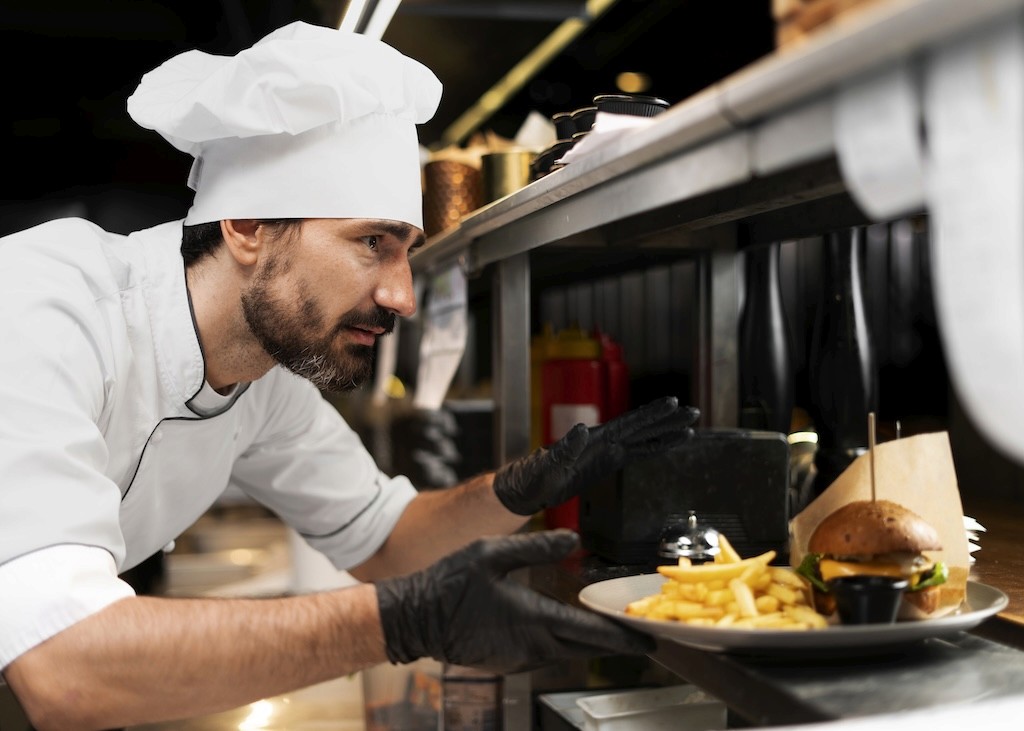
Walk into any restaurant, and you’ll see two worlds working as one. The front of house is what guests see. The back of house is everything behind the scenes that makes the magic happen. FOH vs BOH isn’t a battle. When both sides click, service feels smooth, food comes out on time, and guests leave happy.
This guide breaks down what each side does, who works where, and how to keep both teams in sync. You’ll learn the common spaces, roles, and slang, plus simple ways to improve communication.
What is FOH (Front of House)?
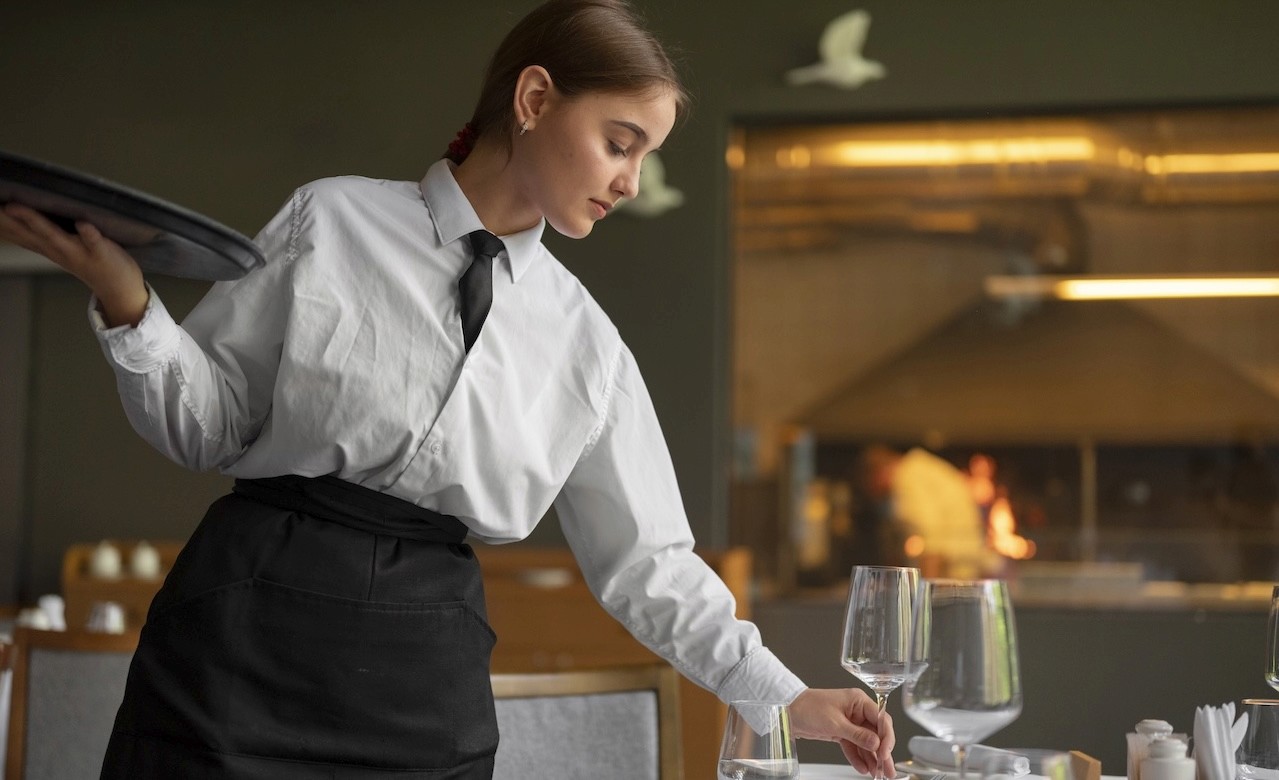
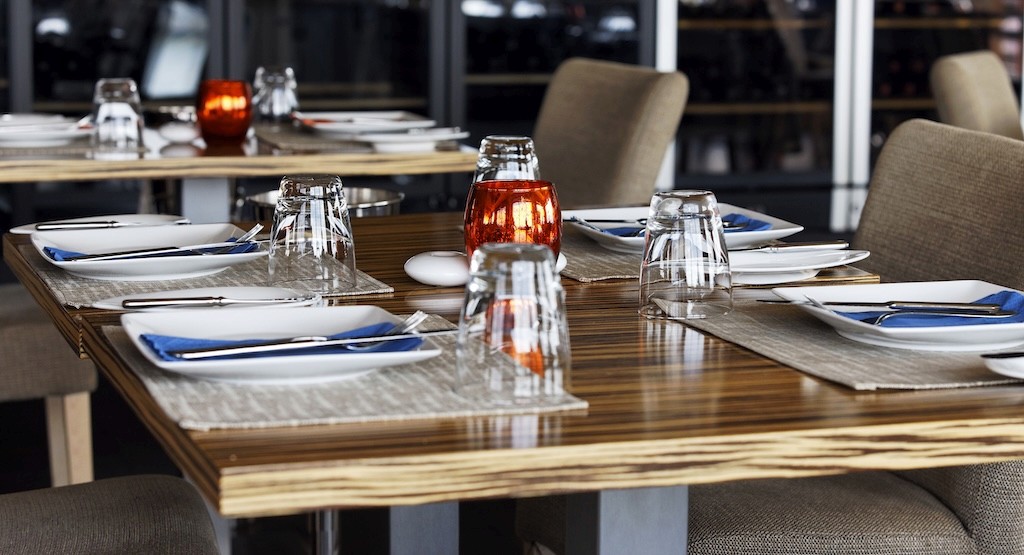
FOH is the guest-facing side of restaurant operations. It covers the dining room, bar, host stand, and any space where guests sit, order, pay, and interact with staff. The goal is simple: create a welcoming experience from hello to the last bite.
FOH teams set the tone. They manage the first impression at the door, guide the pace of the meal, and handle payments and questions. They take orders clearly and pass them to the kitchen without confusion. They read the room, spot issues early, and smooth them out quickly. Warm service, clear communication, and a steady flow all start here.
Ambience plays a big part. Lighting, music, table setup, and menu design shape the mood. FOH leaders track the floor plan, seat sections evenly, prevent long waits, and keep tables turning without feeling rushed.
Common Areas & Spaces in FOH
Entrance and waiting area: First impression zone. Hosts greet guests, manage the waitlist, and handle to-go pickups.
Host stand: Home base for seating and flow control. The team tracks open tables, server sections, and reservations.
Dining room: The main stage. Servers take orders, run food, and manage the pace of each table.
Bar: Drinks, small plates, and a lot of guest chat. Bartenders handle orders from seats at the bar and from servers.
Patio or outdoor seating: Extra seats and fresh air. Watch the weather, heaters, and table turns.
Restrooms: A quiet detail with big impact. Cleanliness here shapes guest trust.
Service stations: POS terminals, printer, glassware, napkins, sidework supplies, and a water station.
Takeout pickup shelf: A clear spot for online orders and delivery drivers to grab bags fast.
Typical FOH Roles & Staff
Hosts and hostesses: Greet, quote wait times, manage reservations, and seat guests. They balance sections and keep the line moving.
Servers: Take orders, answer menu questions, place tickets, run food, and handle payments. They steer the guest experience.
Bartenders: Mix drinks, pour beer and wine, and handle bar guests. They prep garnishes and track tabs.
Bussers: Clear plates, reset tables, refill waters, and support servers. Faster turns, fewer delays.
Food runners: Deliver plates from the window to the table. Hot food, correct seat, quick handoff.
FOH manager: Leads the floor, handles guest issues, keeps pace, and supports the team during rush.
General manager: Oversees both sides, schedules labor, tracks sales, and sets standards.
Sommelier: Wine expert in full-service spots. Curates the list, suggests pairings, and trains staff.
What is BOH (Back of House)?
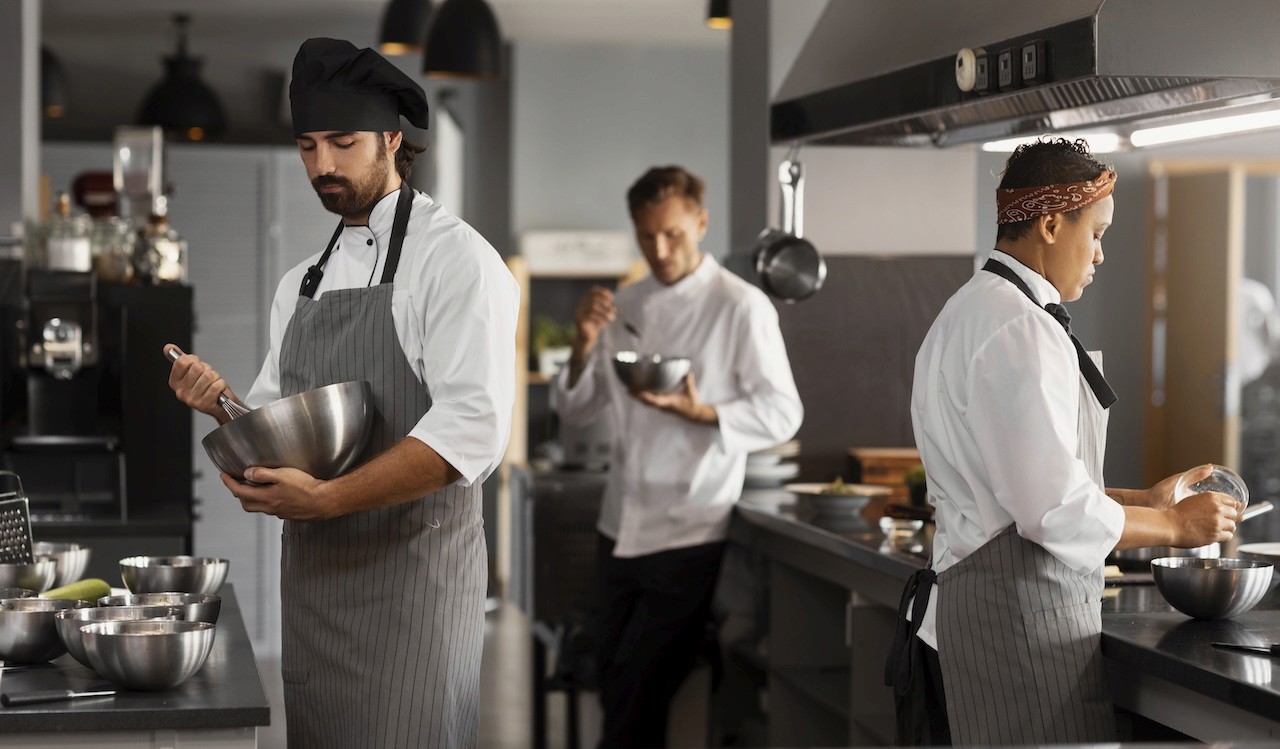
BOH is the behind-the-scenes side. It covers the kitchen, prep areas, dish pit, storage, staff zones, and offices. Guests rarely see it. The work is fast and detailed. Every plate depends on planning, teamwork, and timing.
Food prep starts hours before doors open. Cooks chop, marinate, and batch sauces. The line heats up for service with stations set and tools ready. Cleanliness and food safety drive each step. BOH teams track ingredients, rotate stock, and keep the kitchen safe and organized.
During a rush, the kitchen is loud and direct. Short calls. Clear tickets. Steady hands. The expeditor (expo) watches the window, checks quality, times each plate, and calls for runs. The right tools help. A strong POS links orders to the kitchen printer or display, handles modifications, and keeps the queue steady. With Blogic’s POS, orders fire even if the internet cuts out, so the line keeps cooking.
BOH Areas & Operations
Prep area: Where ingredients get ready. Chopping, marinating, portioning, and labeling.
Cooking line: Hot line with stations like grill, sauté, fry, salad, and pastry. Each station owns a slice of the menu.
Window or pass: The last stop before the dining room. Expo checks plates for accuracy and calls for runners.
Dish pit: Nonstop washing, drying, and restocking. Clean wares keep a positive reputation.
Walk-in fridge and freezer: Cold storage with clear labels, dates, and shelf order. First in, first out.
Dry storage: Canned goods, spices, paper goods, and smallwares. Neat shelves save time.
Delivery and receiving area: Drop zone for vendors. Staff check quality, log temps, and store items fast.
Staff area and offices: Schedules, payroll, training docs, and manager work. A quick break spot for the team.
Typical BOH Roles & Staff
Executive chef or head chef: Menu lead and kitchen coach. Sets standards and trains the team.
Sous chef: Right hand in the kitchen. Runs the line and keeps prep on track.
Line cooks: Station leads during service. Cook, plate, and send plates to the window.
Prep cooks: Daytime heroes. Batch sauces, butcher proteins, and set the line up for a clean service.
Expeditor (expo): Controls the window. Checks plates, times courses, and calls runners.
Dishwashers: Keep plates, pans, and tools clean and ready. A fast pit saves the shift.
Kitchen manager: Orders ingredients, tracks inventory, and handles maintenance.
Receiver or stocker: Checks in deliveries, rotates stock, and keeps storage areas tidy.
Why FOH & BOH Must Work Together
Great service is a rhythm. FOH listens to guests. BOH cooks the food. The handoff at the window ties it all together. Clear tickets, quick questions, and good timing turn separate steps into one smooth experience.
Communication cuts delays. Servers enter orders with seat numbers, modifiers, and allergies. Cooks read those tickets at a glance. Expo times the fire so a medium steak and a well-done steak land together. Runners grab the right plates without asking twice. When timing lands, the table eats together, plates come out hot, and the checkout feels easy.
Tools play a big role. A POS that handles seat-level orders, split checks, and rush edits prevents mix-ups. Kitchen display screens keep the queue in order. With Blogic, tickets print or display even during an outage, then sync later. That means no lost orders during a storm or spotty Wi-Fi. Less stress in the window, fewer comps, more happy guests.
How FOH Uses Tech
Table management with seat-level notes: Keep pacing smooth and balance sections.
QR code menus and online ordering: Useful for patios, takeout volume, and late-night snack windows.
Handheld ordering: Place orders tableside so the kitchen starts faster. Great for patios and busy bars.
Split checks and house accounts: Quick handling for big groups or regulars who keep a tab.
Payment flexibility: Tap, chip, or phone wallet. Faster turns and fewer lines near closing.
How BOH Uses Tech
Kitchen display screens: Clear ticket times, color codes for orders, and alert tones for rush.
Menu quick-edit: 86 in one tap across all stations and channels, so FOH doesn’t sell what the kitchen doesn’t have.
Inventory management: Ingredient-level tracking, low-stock alerts, and smarter prep lists.
Payout and refund reports for delivery platforms: Clean books and fewer end-of-day headaches.
With Blogic Systems, FOH and BOH stay in sync even offline. Orders still hit the kitchen, payments still run, and data syncs when the connection returns. That safety net keeps service steady.
FOH vs BOH: Upsides & Challenges
FOH upsides:
Direct guest contact. You see smiles, fix problems on the spot, and build regulars.
Tips boost income in many places.
Variety in tasks: seating, service, running, and quick chat at the table.
FOH challenges:
High emotions at times. You handle complaints and special requests with a calm voice.
Long periods on your feet.
Timing pressure during peak hours. Split checks and large parties add complexity.
BOH upsides:
Clear craft focus. Prep, cook, plate, repeat. Strong skills grow over time.
Tight teamwork on the line. Calls, timing, and flow.
Pride in consistency. A perfect plate feels great.
BOH challenges:
Heat, noise, and speed. The line is intense.
Repetitive prep during slow shifts.
Fewer tips in many shops. Pay structure can feel different from FOH.
Common shared challenges:
Coordination across the window.
Menu changes that reach one side but miss the other.
Short staff days where everyone covers extra ground.
Tips for Better FOH/BOH Collaboration
Cross-train a little: Have servers shadow expo for an hour. Let the cooks see a few tables from the greet to the checkout. Empathy grows fast.
Use clear ticketing: Seat numbers, allergy tags, and modifier rules cut mistakes. No vague notes.
Keep a daily huddle: Five minutes before service. Specials, 86 list, large parties, and any menu edits.
Standardize sidework and prep lists: Shared checklists reduce finger-pointing. Everyone knows who restocks what and when.
Lean on an expeditor: One person owns timing and quality at the window during rush. This saves minutes and avoids remake chaos.
Hold a weekly reset: Short meeting on what worked, what lagged, and one change to test this week.
Share breaks and staff meal: A quick bite together builds trust. Small talk turns into faster help on the floor.
Set one source of truth: Menu, prices, and 86 list live in the POS. Blogic lets you quickly edit menus and push updates to screens and printers in seconds.
Post a heat map of the shift: Know your peak times and staff for them. Use POS reports to see seatings and ticket times by hour.
Practice the safety calls: “Behind, corner, hot, sharp.” Fewer accidents, fewer delays.
Real-World Service Scenarios
Scenario 1: The steak timing puzzle: A table has a medium, a rare, and a well-done steak. Expo staggers the fire. FOH updates the guest with honest timing. The plates land together.
Scenario 2: The 86 call that saves a remake: The kitchen runs out of mussels mid-rush. A quick 86 in the POS pulls the item from QR menus and handheld screens. Hosts stop quoting it. Servers stop suggesting it. No missed expectations.
Scenario 3: The brunch sprint: A late bus means the patio fills at once. BOH switches one cook to eggs only. Ticket times stay reasonable. Tables turn without grumbles.
Common Restaurant Slang & Terms
86: Item is sold out. Example: “86 the salmon.”
Window: Short for the pass. Where finished plates sit for expo and runners.
On the fly: Cook something fast, out of sequence. “Fries on the fly.”
In the weeds: Overwhelmed, behind on tasks. “Table 30 needs help, I’m in the weeds.”
Sidework: Setup and closing tasks. Rolling silverware, restocking, wiping menus, and refilling sauces.
Turnover: How fast tables flip. Higher turnover can mean more covers in a shift.
Float: Extra staff on the floor who jump into different sections.
Upselling: Suggesting add-ons or higher-end options. “Add avocado?” or “Top shelf margarita?”
Behind: Safety call when walking close. “Behind you, corner, hot.”
Last call: The bar is done serving drinks. Cue panic orders.
To Sum Up: Respect Both Sides, Build One Team
Front of house and back of house do different jobs, but they share the same goal. Happy guests, steady shifts, and clean closes. Clear roles, strong communication, and simple tools make that happen. Keep the 86 list current, trust the expo, and keep tickets clean. Give both sides a voice in small fixes, and service will feel lighter.
Want help connecting your FOH and BOH? See how Blogic’s POS keeps orders flowing, handles seat-level details, and keeps running even if the internet drops. Book a quick demo to walk through table management, kitchen screens, and menu quick-edit. One short session can spark changes your team will feel next shift.

Erick Tu
Author
Related Articles
Mar 27, 2026
QSR vs FSR: Differences Between Full and Quick Service Restaurants

Feb 23, 2026
Cafe vs Restaurant: Operational Differences That Matter
Dec 17, 2025
How to Calculate and Improve Your Restaurant's Table Turnover Rate

Dec 10, 2025
Call-In Orders: How to Take Phone Orders in a Restaurant