
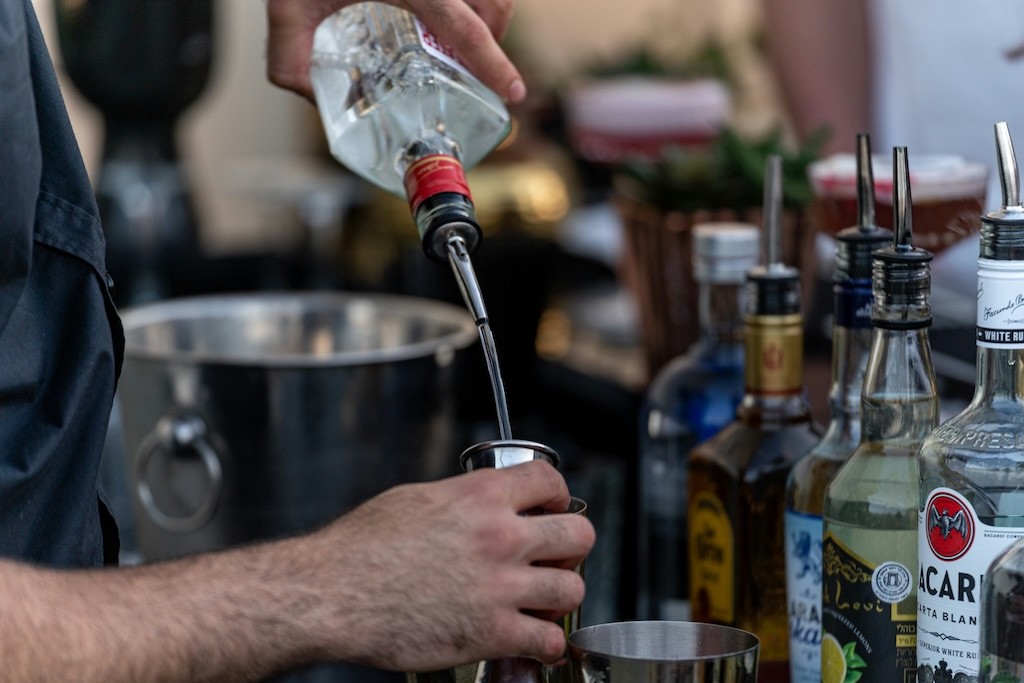
The mobile bar business has moved beyond novelty. What started as retrofitted trailers showing up at backyard weddings has evolved into a legitimate segment of the hospitality industry. Vintage Airstreams pouring craft cocktails at corporate events. Custom builds rolling through music festivals. Mobile bars now show up where experience matters more than square footage.
There are more than 92,000 mobile food and beverage businesses operating across the US. That scale only exists because the model works. Lower overhead. Fewer fixed commitments. The freedom to follow demand instead of being locked into a single address.
Starting a mobile bar is more than buying a trailer and stocking bottles. You are building a hospitality operation that has to run smoothly in parking lots, fields, and event spaces with no built in support systems.
Who Should Consider This Business?
This business tends to work best for people who already understand how events move and how service breaks down when things go wrong. Former bartenders who want to own their business without the rent and utilities of a full restaurant often do well here. So do event planners who already understand client expectations and logistics. You need comfort with the unpredictability of event work. Experience managing service under pressure helps.
Weekend and evening work is the norm. Peak wedding and festival seasons mean you're hauling equipment, setting up in unfamiliar locations, and troubleshooting on the fly. It's not passive income. But if you're drawn to the hospitality side of events and want control over your schedule and pricing, the model offers real upside.
Step-by-Step Guide to Starting Your Mobile Bar Business
Getting this off the ground requires structure. You're building something that has to work in real time, with paying clients and real liability. A bit of structure upfront helps you avoid costly surprises later.
Step 1: Define Your Concept and Niche
Pick your mobile bar concept first. It will dictate who hires you, what you charge, and how complex operations become.
Choose Your Core Service Style
Weddings and private parties are the most common entry points. Consistent bookings during peak season. Clients willing to pay for quality. According to the Wedding Report, 2,011,044 weddings took place in the U.S. in 2025, proof that the market is big enough to matter.
Corporate events can be more predictable. Repeat clients. Larger budgets. But they come with stricter requirements and more formal service expectations. Festivals and public events offer volume but demand speed over customization. You'll serve hundreds of guests in short windows, so efficiency trumps craft cocktail theater.
Some operators try to do everything. That's a mistake early on.
Pick your event type and focus there. Build your systems around them. Expand once you've proven the model works.
Define Your Beverage Program
A craft cocktail program with fresh ingredients and custom recipes attracts higher-end clients. More prep. More skilled staff. Tighter inventory management. You'll need refrigeration for fresh juice, storage for garnishes, and bartenders who can execute consistently under pressure.
Beer and wine service is simpler. Lower prep time. Fewer variables. Less training required. Works well for casual events, corporate picnics, outdoor festivals where speed matters more than customization. You'll move more volume with less labor. Your pricing reflects that simplicity.
Consider specialization: Espresso martini bars. Tequila and mezcal setups. Local craft beer only. A focused menu can become your differentiator in saturated markets. Just make sure the niche is wide enough to support consistent bookings.
Select Your Business Model
You have options for how you structure revenue.
Full-service model: You provide everything. Bartenders, glassware, ice, mixers, alcohol. Clients pay a flat rate or per-person pricing. You handle the logistics. Higher margins. Full control over service quality. You're also responsible for sourcing, transporting, and managing every detail.
Dry hire model: You provide the bar setup and staff. The client supplies the alcohol. Reduces your upfront costs and simplifies licensing in some states. Your pricing has to reflect the reduced scope. You're renting out your setup and labor.
Some operators offer both. Adjust based on the client's budget and event type. Weddings often go full-service. Corporate events sometimes prefer dry hire to manage their own beverage costs.
Step 2: Legal and Financial Setup
This step separates hobbyists from real operators. Licensing requirements for mobile bars vary widely by state and county. Research your specific area early. Most states require a catering liquor license or a mobile vendor permit. Some require separate permits for each event location.
The process takes time. Applications can drag for weeks or months. Mistakes in paperwork will delay you further. Work with your local Alcohol Beverage Control board to understand exactly what's required. Don't assume a standard business license covers alcohol service.
Business structure matters. Most mobile bar operators form an LLC to protect personal assets. Simple step. Provides liability separation if something goes wrong at an event. Talk to an accountant about whether an S-corp election makes sense once you start generating consistent revenue.
Your financial foundation:
Business bank account (keep personal and business funds separate from day one)
Accounting system or software to track income, expenses, and inventory
Clear pricing structure based on event type, guest count, and service level
Startup budget that includes equipment, licensing, insurance, initial inventory, and the marketing expenses
Don't underestimate startup costs. Between the mobile setup, equipment, insurance, and initial alcohol inventory, you're looking at a significant investment. Plan for at least six months of operating expenses before you're cash-flow positive.
Step 3: Choosing Equipment
Your mobile bar setup is your most visible asset and one of the biggest upfront costs. The decision needs to balance aesthetics, functionality, and budget.
Trailers are the most common option. A custom-built or retrofitted bar trailer gives you mobility, storage, professional appearance. Vintage Airstreams and horse trailers are popular for their aesthetic appeal. They require significant customization to add plumbing, refrigeration, and the electrical systems. Budget anywhere from $10,000 to $50,000 plus, depending on size and finishes.
Trucks or vans offer an all-in-one solution. You drive the vehicle and serve from it. Simplifies logistics. Cargo vans can be converted into mobile bars with serving windows and interior storage. Less visual impact compared to a polished trailer setup.
Portable bars or carts are budget-friendly and flexible. Transport them in a truck or van. Set them up indoors or outdoors. Customize the look with draping or signage. They lack the wow factor of a full trailer but they're practical for operators just starting out or serving smaller events.
Essential equipment checklist:
Equipment Category | What You Need | Why It Matters |
Refrigeration | Undercounter fridges or coolers | Beer, wine, mixers, and garnishes need proper temp control |
Ice Storage | Large coolers or ice bins | Events burn through ice faster than you think |
POS System | Mobile point-of-sale software and hardware | Fast payments, accurate sales tracking, and inventory management |
Glassware & Barware | Shakers, jiggers, muddlers, appropriate glassware | Service quality depends on proper tools |
Sound System | Background music setup or microphone | Atmosphere and announcements |
Power Supply | Quiet generator | Many event locations have zero accessible outlets |
Your equipment should be durable. Easy to transport. You're loading and unloading for every event. Anything fragile or overly complicated will slow you down or break. Test your full setup at least twice before your first paid event.
Tip: For mobile bars, an offline POS system is a must. Blogic Systems keeps sales and inventory accurate even when connectivity drops. It can be customized for your mobile bar workflow and comes with robust bar point of sale features and flexible food truck POS setups. Add in staff training and reliable support, and you’re ready to run smooth events without tech headaches.
Step 4: Insurance & Liability
Once your setup is ready, the next critical step is protecting yourself and your business. Insurance isn't optional. One incident, one injury, one claim can end your business if you're not covered.
Multiple policies are required:
General liability insurance covers accidents, injuries, the property damage that might occur during your events. A guest trips over your setup. Your equipment damages a venue. This policy responds. Most event venues and clients require proof of liability coverage before they'll book you.
Liquor liability insurance protects you if a guest you served causes harm after consuming alcohol. Non-negotiable in the mobile bar business.
Commercial auto insurance is required if you're towing a trailer or driving a vehicle used for business purposes. Personal auto policies won't cover you if you're hauling equipment to events.
Workers' compensation insurance becomes necessary once you hire employees. Even part-time bartenders or event staff need coverage in case of injury on the job.
Work with an insurance broker who understands the event and hospitality industry. Generic small business coverage often has exclusions that leave mobile bars exposed.
Launching Your Mobile Bar
When your systems are in place, the real work begins. Getting your first clients and delivering consistent service determines whether this business scales or stalls.
Finding Clients
Your network is your first sales channel. Worked in restaurants, events, or catering? Reach out to former colleagues, event planners, and venue managers. Let them know you're open for bookings. Provide clear details about your service offerings and pricing.
Wedding coordinators and event planners are high-value contacts. They book multiple events per month. Often work with the same vendors repeatedly. Building relationships here leads to consistent referrals.
Tip: Consider offering bar service for a local charity event or nonprofit gala at cost or for free. The exposure and portfolio work often generate paying clients.
Local event venues should know who you are. Introduce yourself to venue managers. Ask to be added to their preferred vendor lists. Some venues have exclusive contracts with specific caterers or bars. Many allow clients to choose their own beverage service.
Your online presence matters but it's not everything. Simple website with clear service details, pricing ranges, and contact information. That's enough to start. Instagram works well for mobile bars because the visual appeal of your setup and drinks translates easily. Post regularly. Tag venues and clients (with permission). Engage with local wedding and event hashtags.
Start with local events and festivals where you can set up, serve, build visibility without a massive marketing budget. Community festivals. Farmers markets. Food truck rallies. Test operations in real conditions. Connect with potential private clients who see you in action.
Event Operations
Smooth operations separate one-time bookings from repeat clients and referrals.
Pre-Event Prep Is Where Most Problems Are Prevented
Confirm all details with the client at least a week before the event:
Guest count
Event timeline
Setup location
Power access
Special requests
Walk the venue if possible. Know where you'll park, where power outlets are and how far you'll need to haul the equipment.
Inventory Management: The Silent Profit Killer
Track what you bring to each event and what you use. Over-ordering means you're carrying cost in unused inventory. Under-ordering means running out mid-event. Damages your reputation. Use historical data from similar events to estimate quantities. Build in a small buffer for high-demand items like beer and prosecco.
Why Your POS System Is a Critical Investment: Most new mobile bar operators underestimate how much their restaurant POS impacts profitability and operations. You're not just processing payments. You're tracking every pour, managing inventory across multiple events, and gathering data that tells you what's actually selling.
Real-time inventory management means you know exactly what you used at each event. What you need to restock and what’s not moving. The POS system tracks sales by item, by event, by time of day. You'll see patterns. High-demand drinks during cocktail hour. Beer sales that spike after dinner service. That data drives smarter purchasing and tighter margins.
Staffing Needs to Match Event Size and Service Style
Wedding with 150 guests and full cocktail service? At least two experienced bartenders. Possibly a barback for restocking and cleaning.
Beer and wine service at a corporate event? One bartender per 75-100 guests usually works.
Understaffing leads to long lines and frustrated guests. Overstaffing cuts into your margins.
Common Challenges and Solutions
Every mobile bar operator faces the same recurring obstacles. How you handle them determines whether your business is sustainable or constantly stressful.
Seasonality Hits Hard
Weddings and outdoor events cluster in spring and summer. Your revenue can drop significantly from November through March depending on your region. Many mobile bar operators scramble during off-peak months.
Solution: Diversify your event mix. Corporate holiday parties. Indoor private events. Winter markets. These can fill the gap. Some operators shift focus entirely during colder months. Target corporate clients who book year-round. Offer bar services for indoor venues that don't have their own setups. Build relationships with corporate event planners in the summer. Gives you a pipeline for fall and winter bookings.
Staffing Consistency Is Tough
Mobile bar work is often part-time and event-based. Makes it hard to retain reliable bartenders. High turnover means constant training. Inconsistent service quality. Directly impacts client satisfaction.
Solution: Hire seasonal staff who understand the schedule from the start. Pay competitively enough that they prioritize your events over other gigs. Invest in clear, repeatable training so new bartenders can get up to speed quickly. Build a small core team of 3-4 bartenders who work most events. Supplement with additional help as needed. Reliability is worth paying for.
Unpredictable Event Conditions
Weather changes. Power outages. Last-minute location shifts. Venue restrictions. All of it happens. If your setup depends on everything going perfectly, you'll struggle.
Solution: Build contingency plans into your standard operating procedures. Bring backup power options. Extra ice. Portable lighting. Have a plan for rain or extreme heat. Communicate proactively with clients about potential issues and how you'll handle them. Flexibility and preparation turn potential disasters into minor inconveniences.
Mastering the Mobile Bar Mindset
The mobile bar business rewards operators who treat it like real hospitality. Not just a side hustle with a trailer. You're managing logistics, customer service, inventory, staffing, compliance all at once. Often in less-than-ideal conditions. But if you build solid systems, focus on consistency, deliver service that makes clients want to recommend you? The model offers real independence and profitability.
Start small. Test your processes. Scale as you prove what works.

Erick Tu
Author
Related Articles

Aug 3, 2026
How to Start a Bakery: A Step-By-Step Guide

Jul 30, 2026
How to Choose the Right POS System for Your Bar (2026 Guide)

Jul 28, 2026
Happy Hour Ideas Worth Running at Your Bar

Jul 27, 2026
Bar Equipment Checklist for Opening or Restocking a Bar