
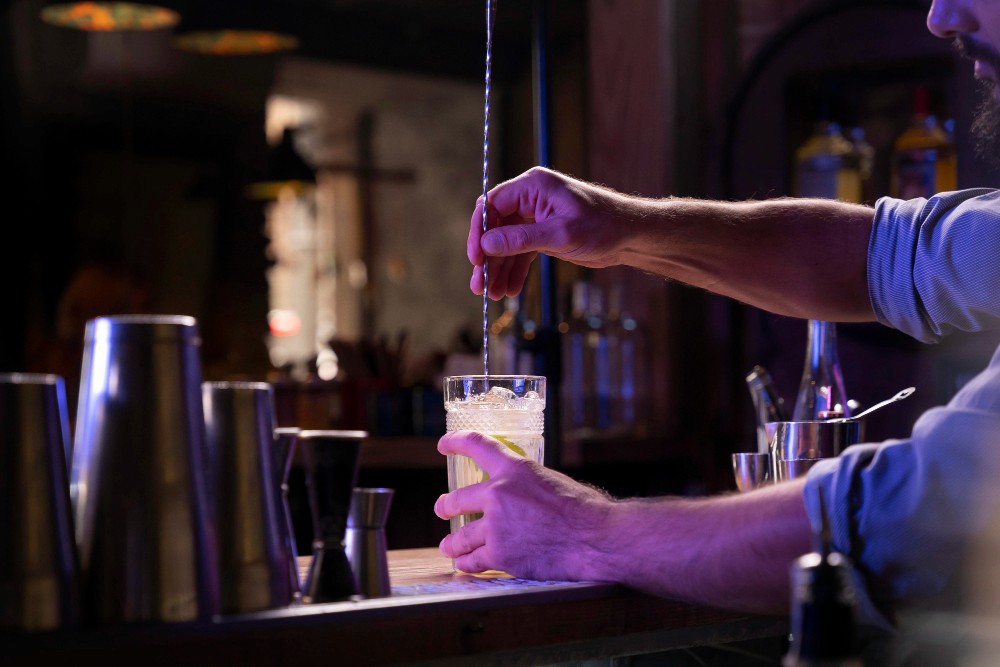
Opening a bar sounds fun, but the real work starts long before happy hour. You need a clear plan, enough money to get through build-out and slow weeks, and the right licenses before you can pour a single drink.
Timelines vary by city. Permits can take weeks or months. Sounds hard? A smart system for payments, inventory, and reporting will set you up for steady growth.
In this guide, we’ll give you a detailed plan for starting a bar and making it a success.
A Quick Bar Business Plan Checklist
This simple bar business plan will keep you focused on the steps that matter most. Keep it short and clear. Listing everything is enough to start. You can add more detail as you go.
Concept and Guest Profile
Pick your bar style and who you want to serve. Note average spend, peak nights, and the feel you want.Location and Hours
List target neighborhoods, foot traffic patterns, and planned hours. Add notes for game days, movie nights, or tourist seasons.Startup Budget
Outline ranges for lease deposit, build-out, equipment, licenses, opening inventory, furniture, and POS. Add a 10-20% buffer for surprises.Revenue and Pricing
Set sample drink prices and pour cost targets. Add one break-even line: fixed monthly costs divided by profit per drink equals the number of drinks needed per month.Monthly Operating Costs
List rent, wages, restocking, utilities, insurance, permits, POS, cleaning, and marketing. Flag slow-season months so cash doesn’t get tight.Licenses and Timeline
Name your alcohol license type, steps, and expected wait. Add dates for inspections and hearings. This often sets your opening date.Planning and Hiring a Team
Define roles, headcount per shift, pay range, and training plan. Note who handles ordering, cash counts, and closing.Menu and Inventory Rules
Pick your core drinks, a simple food plan, and a small starting list. Set order days, par levels, and a rule for cutting items that don’t sell.Systems and Reporting
Choose a POS system for bars that runs fast with tabs, quick edits, and real-time reporting. Inventory tracking tied to recipes helps control pour cost. For a mobile bar, add tap-to-pay and a setup that still works if the internet drops.Marketing and Launch
Write a soft launch plan, a full launch plan, and 4-6 weekly promos. Add referral partners like venues, wedding planners, or nearby offices. Track what brings guests back.
Save this plan as a live doc. Update it weekly during the build-out and for the first month after opening.
Step 1: Decide What Type of Bar You Want to Open
Start with a clear concept and a simple profile of the guests you want to serve. Write who they are, what they spend on a night out, what nights they go out, and what kind of experience they want. This keeps your choices tight as you move forward.
Your concept shapes your costs, staffing, license type, and how you earn money. Here are some quick comparisons of common bar concepts.
Neighborhood bar:
Draws steady locals
Lower prices, high repeat traffic
Startup costs can be lower if the decor is simple
Staff can be lean, with bartenders who know regulars
Cocktail bar:
Higher margins per drink
Needs skilled bartenders and premium spirits
Setup costs rise with glassware, tools, and ice program
Strong menu design and training
Sports bar:
Needs a larger space and lots of screens
Peak nights during games; slow periods between events
Food menus that keep guests longer
Sound system and seating layout
Wine bar:
Focused inventory with a rotating list
Staff training on varietals and wine tasting
Glassware and storage for proper temps
Smaller space can work with a cozy setting
If you plan to open a mobile bar, focus on private events, weddings, festivals, and pop-ups. Your setup, permits, and costs are different from a fixed location.
Step 2: Choose the Location and Set Hours
Walk the area you want to serve at different times. A street that is packed at lunch can be quiet after 8pm. A nightlife block can be strong Thursday through Saturday and slow on Monday and Tuesday. Office towers nearby can feed a strong happy hour. Theaters and live venues add pre-show and late-night bumps. Stadiums create waves on game days. Tourist zones bring weekend surges and big swings by season.
Check parking, rideshare drop-off, and transit stops. Look at patio potential and line flow at the door. Visit at 7am, noon, 6pm, and midnight. People patterns tell you more than a broker sheet.
Set hours that match your crowd. A neighborhood bar might run late every night. A sports bar might lean into early starts for big matches and late finishes for playoffs. A wine bar might keep early evenings strong and slow down late. A mobile bar needs a different plan. Scout venues, parks, and event sites. Check power access and space for setup. Build a calendar around weddings, corporate events, and festivals.
Step 3: Plan a Realistic Startup Budget
Bars often need more upfront cash than people think. Build-out, plumbing, refrigeration, and permits stack up. A second-generation space can lower costs. An older shell can raise them.
Plan for ranges, not exact numbers:
Lease deposit and pre-opening rent: low to mid five figures
Build-out and finishes: mid five figures to low six figures
Bar equipment and refrigeration: low to mid five figures
Light kitchen setup for snacks: low to mid five figures
Licenses and legal: low to mid four figures, sometimes higher
Opening inventory: low to mid five figures
Furniture and decor: low to mid five figures
POS and tech: mid four to low five figures
Premium finishes, HVAC fixes, new plumbing, and ADA work raise costs. A clean second-generation space lowers them. Set a buffer of 10-20% for unexpected costs. Old wiring, ductwork issues, or delivery delays can push your timeline.
Step 4: Set Prices That Cover Costs
Your prices must cover ingredients, card fees, labor, and waste, then still leave you some profit. Many bars aim for pour cost in these ranges: cocktails near 18-25%, beer near 20-30%, and wine by the glass near 30-40%. A cocktail that costs $2.50 to make might sell for $10 to $14 in many markets. The exact number depends on your area and the experience you offer.
Set a simple break-even line in your bar business plan. Use easy math.
Fixed monthly costs: 30,000
Average profit per drink after ingredients, tax, and fees: 4
Drinks needed per month to break even: 30,000 divided by 4 equals 7,500 drinks
That is 250 drinks per day in a 30-day month. If you average 125 drinks on weekdays and 400 on weekend nights, the mix can work. Add food, flights, or small plates if it fits your concept. That can raise average spend and spread traffic over more hours.
Track this from week one. Adjust your menu, service flow, and hours as you learn. A tight drink list with steady crowd favorites helps to keep your margins.
Step 5: Plan Monthly Costs
Map your monthly bills and set target dates so cash flow stays steady. Plan for the slow months before you build a base of regulars. List what you will pay each month and add a small buffer.
Typical costs:
Rent and any common area fees
Staff wages, payroll tax, and tips payout
Inventory restocking for beer, wine, spirits, mixers, and non-alcoholic options
Utilities like electric, gas, water, and internet
Insurance like liquor liability, general, and workers’ comp
License renewals and ongoing permits
POS subscription and tech support
Cleaning service, linens, and pest control
Marketing, photos, and local listings
Seasonality hits bars. Sports bars ride game schedules. Near colleges can be slow during breaks. Tourist zones can quiet down in cold months. Set aside cash for those dips.
Step 6: Get all Licenses and Permits
Getting the right license can take time. Rules differ by city, county, and state. Some places cap license counts. Some require hearings. Start this work early. It often sets your opening date.
Alcohol license steps:
Pick the license type you need. Beer and wine only, or beer, wine, and spirits. On-premise for serving in-house. Off-premise for retail to go. Special event for short-term use.
Confirm your address is approved for that use.
Prepare floor plans and a simple security plan if your area asks for it.
Apply with fees. Some places ask for fingerprints.
Post a public notice. Attend hearings if required.
Complete background checks and pass inspections.
Common slowdowns include missing forms, unpaid taxes tied to a location, name conflicts, or unclear floor plans. Early prep saves months.
Other permits:
Business registration, sales tax ID, and EIN
Health department approval if you handle food, ice, or garnishes
Fire inspection for occupancy and exits
Sign permits for any new exterior sign or awning
Zoning and noise rules can affect hours, patio use, and music volume. Neighbors can complain if lines or sound disturb their daily life. Read zoning maps and noise rules before you sign a lease. Soundproofing can be costly, but so are fines.
Step 7: Hire Your Team
Start small with strong people. A great lead bartender can carry early weeks more than a large team with mixed skills. Hire for speed, accuracy, and a calm head during a rush.
Common roles:
Lead bartender to set recipes, train pours, and guide service
Bartenders who move fast and stay friendly under pressure
Barbacks who stock, clean, and support the line
Servers if you have table service
A shift lead or manager for schedules, cash counts, and ordering
Security for late nights if your city or venue calls for it
Write clear task lists for each role. Set opening and closing checklists. Cross-train so the team can cover each other during busy hours.
Responsible alcohol service training is required in many places. Staff learn ID checks, signs of intoxication, and how to refuse service safely. This protects guests, staff, and your bar.
Recruit with a simple pitch that matches your concept. A cocktail bar needs bartenders who can measure, prep, and teach others. A sports bar needs speed, crowd control, and a host who can handle surges. A wine bar needs staff who can explain styles in plain language. A mobile bar needs a small, flexible team that can load, set up, serve a pop-up crowd, and break down fast.
Step 8: Set the Menu and Inventory Rules
Bars work best with a clear focus. Pick one main direction and build around it. If you lead with beer, plan on a dependable draft setup and plenty of cold storage. If cocktails are the star, set time for prep, keep fresh mixers on hand, and stock a solid spirits shelf. If wine drives the menu, keep bottles at the right temps and build a smart by-the-glass list.
Plan your food approach. You can keep it simple with snacks, team up with a nearby kitchen or food truck, or skip food if your license and local rules allow.
Tie this to your crowd. Sports bars often add wings, burgers, and share plates. A wine bar might add cheese and charcuterie. A cocktail bar might run a few small plates that match the drinks.
Keep your menu size under control. A long list ties up cash in bottles and cases that sit on the shelf. Waste rises and training takes longer. A tighter menu speeds training and keeps ordering fast. It also helps new staff ring the correct items, keeping your sales reporting clean.
Set inventory rules in writing:
Par levels for spirits, beer, wine, and mixers
Order days and vendors
Recipe specs in your POS so each drink subtracts the right amounts
A simple waste log for spills and breaks
Lock storage for premium bottles
Weekly counts and a pour cost check by category
Start tight with opening inventory. Add items as you see sales patterns. Canned cocktails, batched signatures, and small beer and wine sets work well.
Step 9: Set Up Systems and Reporting
Your bar needs clean tabs and correct numbers for growth. A strong POS and a few simple rules can cut waste and help you speed up your service.
Look for:
Speed at the bar, quick tabs, and stored cards
Split checks by seat or item
Handheld ordering for table service
Menu quick edits for price changes and specials
Inventory tracking tied to recipes
Tip management and tip pooling
Shift reports for cash and card totals
Sales analytics by hour, category, and item
Staff performance tracking with sales and tips
Real-time reporting you can check from home
Use your reports every day. Watch sales by hour. Compare item sales to inventory use. Track comps and voids with reasons. Review staff tips and speed. These habits will help you catch issues early. Making decisions based on clean data beats guesses.
Step 10: Plan Your Opening and Launch
Plan your marketing in simple steps you can repeat. Start with a soft opening to test service and fix weak spots. Then move to a full launch once the team is ready.
Soft opening ideas:
Limited hours and a trimmed menu
Invite friends, family, nearby offices, and neighboring shops
Offer a few simple specials
Ask for feedback and fix service flow and recipes
Full launch:
Publish fixed hours, address, parking tips, and a menu on your site and listings
Share photos and short videos of drinks and the room
Run a launch weekend promo that fits your concept
Visit nearby businesses with invite cards
Line up a few repeatable weekly hooks like trivia, tastings, or game nights
Keep it steady after launch. Post your event schedule. Reply to reviews in a friendly way. Build referral partners like venues, wedding planners, and property managers.
Track marketing like you track sales. Add simple fields to your POS or a signup form, so you know how guests found you. Look at sales on promo nights vs normal nights. Keep the winners and drop the rest.
Managing the First 30 Days of Your Bar
Daily checks:
Sales by hour, item, and category
Top sellers and slow movers
Voids, comps, and discounts with reasons
Cash drawer and tip reports
Weekly checks:
Inventory counts and usage
Pour cost by category
Labor hours vs sales by shift
Guest count trends by day
This early data will help you make the right decisions for pricing and ordering. Trust the numbers more than guesses. Tighten your menu around winners and cut items that do not sell.
Fixing Operational Issues Early
Staff mix: adjust shifts so your best people cover peak hours
Menu: remove items that slow service or waste product
Pricing: nudge prices on items with high demand and good margin
Scheduling: set prep time for syrups, garnishes, and keg swaps before rush
Service flow: change station layout, add speed rails, or move the glassware station
Training: spot-check pours, then coach them
When Will Your Bar Start Making Money?
And, the important question. When you open a bar, you want profits right away. Expect a few months to hit steady numbers. Six to twelve months is common before a bar pulls strong profit.
Variables include rent level, staff costs, liquor license timing, seasonality, and how fast you build regulars. A mobile bar can reach profit faster with lower fixed costs and event-based bookings, but bookings can be uneven at first.
Stick to your plan:
Keep fixed costs in line with your sales curve
Use real-time reporting to pivot the menu and hours
Build repeat business with simple loyalty offers and consistent service
Watch waste and pour costs like a hawk
Common Mistakes When Starting a Bar
New bar owners often stumble in the same places. The biggest one is underfunding. Cash runs out before permits clear or before you build a base of regulars.
Paperwork is another trap. Skipping or delaying licenses brings fines, hearings, and even forced closures.
Inventory can sink you if it has no plan. Money sits on shelves, you get more waste, and then you lose track of what sells.
Location can hurt too. A great concept in the wrong block for night traffic stays quiet no matter how good the drinks are.
Hiring too fast looks smart on a big weekend, then payroll hits during slow weeks. Start lean, then add shifts as sales grow. Plan these details early, and you avoid expensive lessons.
To Sum Up
Opening a bar is a clear, step-by-step process. Permits, funding, and smart systems come first. A well-thought menu, trained staff, and a strong bar or winery and brewery POS will help you survive the first few months until you start getting profit. Vibe and style matter too. But they only work on top of a stable foundation.

Erick Tu
Author
Related Articles

Aug 3, 2026
How to Start a Bakery: A Step-By-Step Guide

Jul 30, 2026
How to Choose the Right POS System for Your Bar (2026 Guide)

Jul 28, 2026
Happy Hour Ideas Worth Running at Your Bar

Jul 27, 2026
Bar Equipment Checklist for Opening or Restocking a Bar