
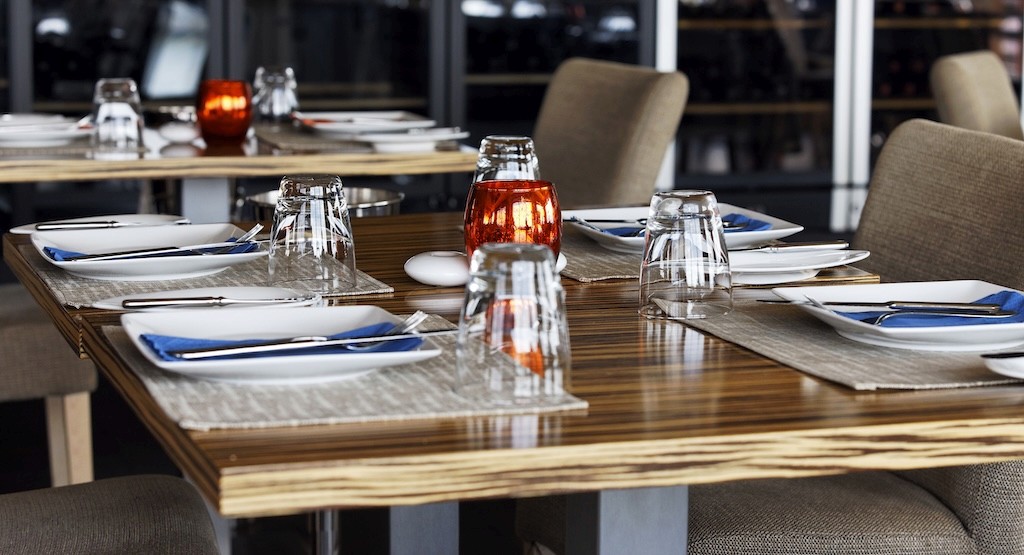
Guests wrap up their meal, the table gets cleared and reset, and new guests sit down. This is the usual cycle that happens over and over. The speed of this rotation is your table turnover rate. This metric tells you how many times each table serves customers during a shift. And, it shows if you're seating your guests fast enough to hit your revenue goals.
This article explains the table turnover rate, how to calculate it, and how to improve your restaurant’s rate.
What is Table Turnover Rate?
Simply put, the table turnover rate counts how many different parties are seated at a single table within a specific timeframe. During a busy dinner shift, for example, a table that hosts two separate groups has turned twice.
How do you calculate table turnover rate?
The formula is simple.
Table Turnover Rate = Number of Groups Seated ÷ Number of Tables
Let's say you have 10 tables and you seat 40 guests during a dinner service. Your turnover rate is 4. Each table served 4 groups of guests on average.
You can calculate this for the whole restaurant or break it down by shift or day of the week. Some restaurants track turnover by seat. This gives you a more detailed picture if your table sizes vary.
Turnover rate differs from average dining time, though they're related. Dining time measures how long a customer stays at the table. Turnover rate measures how many times you fill that table.
Tracking turnover manually takes time. POS systems and table management software automate the process and give you real-time data. And they usually calculate turnover automatically. You can track when a table is seated, when the check closes, and when the table is reset. These tools offer reports by shift, day, or server to see trends and if you're hitting your targets.
Benchmarks and Industry Standards
Turnover rates can vary depending on the restaurant type, meal period, and market. These are the average restaurant table turnover rates in the industry:
Quick-service restaurants often see turnover rates above 10 during peak hours. Guests order, eat, and leave in 15-20 minutes.
Fast-casual restaurants usually hit turnover rates between 4 and 8. Dining times range from 20 to 40 minutes.
Casual dining restaurants average turnover rates between 2 and 3.5 for dinner. Lunch might be higher, around 3 to 4, because guests have less time. Average dining time is 45-75 minutes.
Fine dining restaurants typically see turnover rates between 1 and 2. Guests might stay for two hours or more. Their revenue comes from higher checks, not volume.
Breakfast and brunch spots often hit turnover rates above 4. Morning diners tend to eat quickly, and brunch crowds move faster than dinner guests.
Your turnover rate depends on many different factors, like your location, menu, service style, and customer base. We’ll discuss these below.
Why is it Important to Track Table Turnover Rate
Your restaurant’s table turnover rate impacts your profits directly. Higher turnover means more customers served, and more customers mean more revenue, assuming you have enough demand to fill those seats.
A restaurant with 20 tables that turns each table three times during dinner seats 60 customers. If that same restaurant only turns tables twice, they seat 40 customers. That's 20 fewer checks, which can add up to thousands of dollars a week.
If your turnover rate is low, you might have slow service, long ticket times, or a payment process that drags. If turnover is high but revenue is flat, you might be seating guests too fast and missing upsells.
Turnover rate is directly connected with another metric called revenue per available seat hour, or RevPASH. RevPASH divides total revenue by the number of seats and the number of hours you're open. It tells you how much money each seat generates per hour. Turnover rate helps you see if you're filling those seats often enough to hit your RevPASH goals.
This metric is also linked to labor costs. If you're turning tables quickly, you might need fewer servers per shift. If turnover is slow, you might need more staff to handle longer dining times, which increases payroll.
How to Improve Table Turnover Rate
So, which factors affect your table turnover rate? There are several. You can control some, but you can't control all. To improve your turnover rate, you should identify where time gets wasted and find solutions.
Service Speed
Service speed is the most obvious factor. If your servers take too long to greet guests, deliver food, or drop the check, your turnover slows down. Train your servers to move efficiently. A trained server welcomes guests within two minutes, takes orders quickly, and brings the check right after the meal ends.
Set realistic turn time goals for each meal period. Lunch might target 45 minutes, dinner might target 75 minutes. Share these goals with your team to make sure everyone understands the target pace.
Track turnover by shift to see patterns. If Saturday lunch turns faster than Friday dinner, figure out why. Maybe your Saturday crew is faster, or maybe the menu is simpler. Use that information to improve slower shifts.
Menu Complexity
A menu with simple dishes that prep and cook quickly supports faster turnover. A menu with complex dishes that take 20 minutes to plate will slow things down. Focus on dishes that prep and cook quickly. A shorter menu with well-executed staples can improve ticket times and reduce kitchen stress. Some restaurants offer prix fixe menus during busy shifts to control timing.
Payment Processing
If guests wait five minutes for the check, then another five for the server to process payment, that's 10 minutes of dead time. Use handheld payment devices so servers can process payments at the table. This cuts several minutes off each check.
Some systems let guests pay via QR code or text link, which removes the server from the process entirely. Payment links and mobile payment tools make this easy to set up, and they integrate with most POS systems.
Table Reset Time
If your bussers take 10 minutes to clear and reset a table, that's 10 minutes you can't seat the next customer. Don't wait for everyone to finish dessert before clearing appetizer plates. Pre-bussing, clearing plates as guests finish, speeds up the reset process. Besides, removing empty plates keeps the table tidy.
Dining Room Layout
A well-designed layout gives servers clear paths and reduces congestion. If tables are cramped or the path to the kitchen is blocked, servers slow down. Redesign your dining room if the layout is slowing you down. Move tables to create clear paths. Group high-turnover tables near the entrance so bussers can reset them quickly. If space allows, add a dedicated bussing station to reduce trips to the kitchen.
Reservation Systems
Optimize your reservation system to space guests evenly. Stagger reservations by 10 to 15 minutes so orders hit the kitchen in waves. If you book tables too close together, you might seat guests before the kitchen can keep up. If you space reservations too far apart, you might leave tables empty. Good reservation software lets you set turn times and adjust pacing based on real-time data.
Customer Behavior
You can't rush someone through their meal, but you can design your service to move things along without making guests feel pressured. Guests celebrating an anniversary stay longer. Business diners might leave quickly. Groups tend to stay longer than couples.
While you can’t directly affect customer behavior, you can use technology to monitor flow. Modern POS systems track order times, table durations, and turnover rates in real time. Some systems send alerts when a table has been seated for longer than your target turn time. This data helps you adjust on the fly.
Turning tables quickly boosts revenue, but pushing too hard can backfire. Guests who feel rushed won't come back. They'll leave bad reviews, skip dessert, and tell their friends to avoid your restaurant. The trick is to move things along without making guests feel pressured.
Common Mistakes to Avoid
Restaurants often overlook small delays that add up to big problems. Here are the most common issues:
Ignoring table reset time. If you calculate turnover based on when the check closes, you're missing the time it takes to clean and reset the table. That gap can be 10 minutes or more, which means you're overestimating your turnover rate.
Overbooking reservations. Packing too many guests into a short window creates chaos in the kitchen and slows service. Guests wait for tables, servers fall behind, and turnover drops.
Slow payment processing. If your payment system takes three minutes to process a card, that's three minutes wasted for each guest. If you serve 100 guests a night, you lose five hours a week.
Poor communication between front and back of house. If servers don't tell the kitchen when a table needs food quickly, ticket times drag. If bussers don't know when tables need resetting, gaps appear. Clear communication keeps everyone moving together.
Rushing guests too obviously. Giving the check before dessert or taking away plates before everyone is done shows that you want your guests to leave. Guests notice this, and it ruins the overall positive experience.
To Sum Up
Table turnover rate is an important measure of how well you use your seating and how much money you could make. When you understand how often each table turns, you can spot slowdowns, set realistic goals, and make smarter decisions about service flow, staffing, and technology.
The real win is finding that sweet spot: fast enough to boost revenue when demand is there, but relaxed enough that guests enjoy their meal and want to return.
To improve turnover, start by reducing delays. Train your servers, simplify your menu, use handheld payment devices, and track your numbers.
Balance speed with experience. Make sure guests feel cared for, not rushed. A faster turn time means nothing if guests don't come back.
Keeping tabs on things is way easier with technology, but you don’t have to spend a ton on fancy software to get started with tracking. If your payment process is slowing you down, BLogic Systems can help. Contact us to learn more!

Erick Tu
Author
Related Articles
Mar 27, 2026
QSR vs FSR: Differences Between Full and Quick Service Restaurants

Feb 23, 2026
Cafe vs Restaurant: Operational Differences That Matter
Dec 10, 2025
Front of House vs Back of House: Two Sides, One Guest Experience

Dec 10, 2025
Call-In Orders: How to Take Phone Orders in a Restaurant