
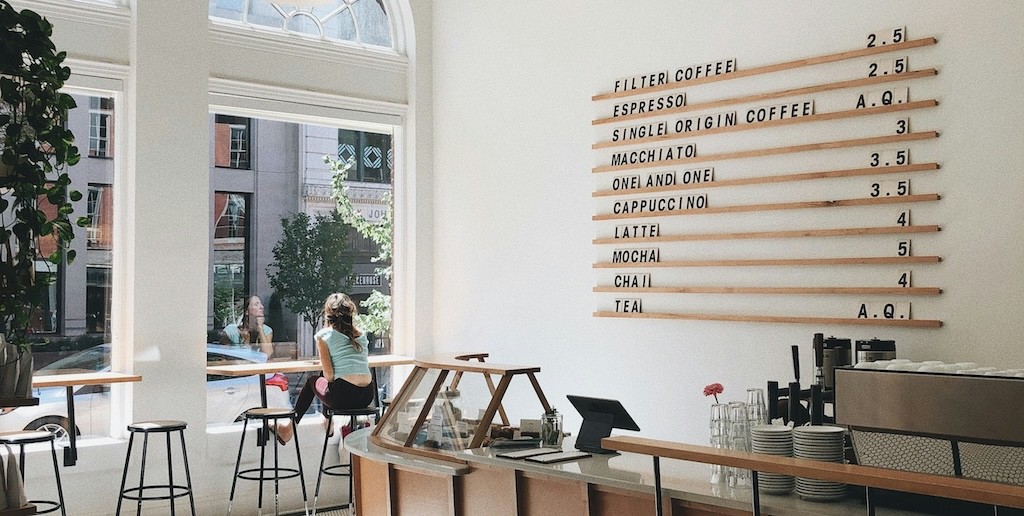
Opening a coffee shop sounds fun. Fresh beans, friendly faces, a space people love. It can be that, and it can also be a real business with bills, staffing, and long mornings. If you want to do it right, you’ll need a plan, enough money to open and run it, and tools that help you track sales and costs.
This guide walks you through three phases: getting ready, opening your coffee shop, and running it after the launch. Read it with a pen in hand and write down the steps.
Phase 1: Preparation and Planning
Coffee shops look simple from the front counter. Behind the bar, it’s different. Margins are tight. Rent and labor take a big bite. Traffic spikes in the morning, then slows mid-day. You’ll compete with chains and indie spots that already have a fan base. You’ll need to serve fast, keep quality high, and cut down on waste.
Loving coffee helps, but running a coffee business is more about systems and numbers. You’ll plan recipes, track inventory, set schedules, train staff, and study sales reports. You’ll have to make choices that balance taste, speed, and cost. It’s work, and it can be very rewarding if you do your best.
Planning Your Coffee Shop
To get started, plan your concept. Are you a quick grab-and-go spot near offices, a cozy neighborhood hangout, or a small kiosk by a transit stop? Your concept shapes your target customer, menu, hours, equipment needs, and pricing.
Know your market. Walk the area at your planned hours. Count passersby. Watch nearby shops. Note lines, average ticket size, and the style of drinks. Talk to locals. Do they want fast drip and breakfast bites or slow sips and laptop space?
Make smart decisions:
Target customer influences menu size, price points, and speed targets
Menu drives equipment and supplier choices
Equipment and seating needs shape your space and lease budget
Brand and pricing connect back to your customer and market
Keep it simple from the start. A focused menu is faster to produce and easier to price. You can add specials later after you see what sells.
Create a Coffee Shop Business Plan
A usable business plan guides your daily choices. It should cover:
Concept and target customer
Market snapshot and location notes
Menu outline with sizes and add-ons
Pricing approach
Staffing plan and training approach
Equipment list and build-out notes
Day to day operating approach
Marketing approach before and after launch
Opening timeline and key milestones
Numbers you need to map out:
Startup budget: build-out, permits, deposits, furniture, equipment, POS, smallwares, first inventory, and a cash cushion
Monthly costs: rent, loan payments, payroll, payroll taxes, utilities, service contracts, insurance, supplies, merchant fees, software, trash, pest control
Sales forecast: daily cups sold, average ticket, weekly and monthly sales by category
Break-even view: how many drinks and food items you need to sell each day to cover fixed costs
You do not need fancy formulas. Start with simple assumptions. If rent is $4,000 per month and total fixed costs are near $18,000, your shop needs to sell enough drinks and food to pass that number. If your average ticket is $7.50, you can calculate how many tickets you need per day. Adjust these numbers with real data once you open.
How Much Does It Cost to Open a Coffee Shop?
Costs vary widely by city, lease terms, and build-out requirements. A small kiosk or cart can start around $50,000 to $100,000 if you keep it simple. A sit-down shop in a busy area often runs $150,000 to $400,000 based on lease, build-out, and equipment. Drive-thru sites or heavy kitchen add more.
What moves the number:
Space condition and landlord coverage: Upgrades to power, plumbing, or HVAC add quickly.
Equipment choices: New vs. used, commercial grade, and size for peak hours impact both cost and workflow.
Furniture and finishes: Overbuilding a space inflates both budget and setup time.
Professional fees and permits: Design help, inspections, and sign approvals add upfront cost and time.
These one-time costs often catch new owners by surprise. Setting up utilities, permits, and any space upgrades takes money and time. Equipment needs contracts and a bit of onboarding with suppliers. You’ll also stock cups, lids, napkins, and cleaning items, and pay your team while they train. Planning for these upfront costs keeps the first weeks running smoothly.
Once your doors are open, monthly expenses start rolling in:
Rent and common area charges
Payroll, payroll taxes, and benefits
Ingredients: Coffee beans, milk, alt milks, syrups, pastries, and grab-and-go food
Packaging Disposables: Cups, lids, straws, sleeves, napkins
Utilities: power, water, gas, internet
Services: cleaning, pest control, linen, trash, repairs, maintenance
Insurance, accounting, and payment processing
Secure Funding for Your Coffee Shop
There are several options to get funding for your coffee shop. Each one comes with trade-offs.
Here’s a quick snapshot:
Option | Pros | Watch-outs | Best for |
Self-funding | Full control, fast decisions | Personal risk, limited cash cushion | Very small build-outs, kiosks |
Bank/SBA loan | Fixed payments, you keep full equity | Longer approval, collateral, strong plan needed | Build-outs with clear budgets and stable locations |
Investors | Shared risk, extra support, and expertise | Less control, profits are shared | Larger spaces or multi-unit expansion goals |
What investors like to see:
Clean, simple plan with numbers that tie to the space and traffic
Experience or a plan to hire skilled help
Signed or near-final lease terms
Quotes for equipment and build-out
No scare tactics here. Pick the path that fits your timeline, risk comfort, and growth goals.
Phase 2: Opening Your Coffee Shop
Step 1: Register the Business and Get Licenses and Permits
Start with the basics. Choose your business structure and register your business name. Get a tax ID and open a business bank account. Apply for a sales tax permit if your area collects it.
Health and food permits come next. These permits are handled locally, often guided by State Retail and Food Service Codes. Most areas require a food service establishment permit, food manager certification, and at least one food handler card per shift.
If you make changes to the space, you may need to obtain building permits and have a health plan review. Expect inspections for health and fire before opening.
Insurance protects the shop, and your lease may require it. You’ll likely need general liability, property coverage for your equipment and stock, and workers’ comp once you hire.
Q&A: What licenses do you need to open a coffee shop?
Business registration and tax ID
Sales tax permit
Food service establishment permit from your health department
Food manager certification and food handler cards
Fire inspection and occupancy permit
Sign permit for exterior signs
Music license if you play music
Local rules vary. Check early and keep a simple checklist with dates and contacts.
Step 2: Choose and Secure a Location
Look at traffic during your target hours. Morning footfall near offices, schools, or transit helps. Easy parking or a quick stop area helps for grab-and-go. Good visibility and clear signage matter more than fancy finishes.
Study neighbors. A bakery nearby could be a partner or a competitor. A gym next door can boost mid-morning sales. Check the density of coffee shops and their lines. A spot near a big store with steady car flow can work if the turns are easy.
Read the lease attentively. Points to understand:
Base rent, extra charges, and how they increase
Tenant improvement allowance and free rent periods
Term length and options to renew
Personal guarantee terms
Use clause and hours requirements
Sign rights, patio rights, and parking rules
Include zoning and build-out needs in your decision. Some sites lack power or plumbing for espresso, ice, and refrigeration. Upgrades cost time and money. Watch for short ceilings that make venting or hood work hard if you plan to cook hot food.
Red flags to watch out for:
The landlord cannot confirm the power or water capacity
Limited or blocked signage
No room for a sensible line and pickup area
Heavy leak or HVAC issues in the history of the space
Step 3: Design the Coffee Shop Layout
Plan the customer path first. Guests should see the menu, order fast, pay, and then step aside to a clear pickup zone. Place lids, sleeves, straws, and napkins near the pickup point.
Balance seating. A few two-tops, a window bar, and a small community table cover most needs. Leave space for strollers and wheelchairs. Make sure aisles are wide, and signage is easy to read. Lighting should be bright at the bar and softer at the seats. Keep sound levels in check.
Improve the back-of-house flow. Place grinders next to the espresso machine. Milk should be within quick reach in a fridge under the bar. Put the ice machine close to the bar but away from guest flow. Handwashing sinks should be near prep and bar. A three-compartment sink or dish machine with a clear rack area keeps things moving. Dry storage needs clean shelving and pest control.
Safety and access are not optional. Non-slip mats, clear walkways, visible exit signs, and easy access for all guests and staff should be part of the plan from day one.
Step 4: Choose Coffee Shop Equipment and Suppliers
Your menu drives choices. A heavy blended drink menu needs strong blenders and more ice. A pastry-forward concept needs a larger display case and more cold storage. A simple espresso and drip menu leans into speed and consistency.
Pick suppliers who show up on time and offer service. You want a coffee roaster with training support, milk and alt milk delivery that fits your schedule, and paper goods that stay in stock. Ask about maintenance response times. A service contract can save a rush.
Essentials:
An espresso machine and at least two grinders
Batch brewer and hot water tower
Undercounter and reach-in refrigeration
Ice machine sized for rush times
Water filtration for espresso and ice
Scales, tampers, pitchers, thermometers, and cleaning tools
Three-compartment sink or dish machine
Extras based on your menu:
Pour-over bar or single-cup system
Cold brew kegs and a nitro system
Blenders for frozen or blended drinks
Display case for pastries and grab-and-go
Small oven or panini press for hot snacks
Step 5: Set Up POS System and Daily Operations Tools
A POS system in a coffee shop supports much more than payments. It helps manage orders, staff activity, and daily operations.
When choosing a restaurant POS, look for one that supports core operational needs.
Look for a system that offers:
Checkout and payment tools like a register or tablet, card readers, cash drawer, receipt printer, and a stable payment setup that can handle rushes
Order visibility tools such as customer facing displays, order screens, or simple kitchen printers so drinks do not get missed
Menu and ordering hardware including tablets or mounted screens for menus, QR codes, or online order intake
Accuracy and control tools like scales, label printers, or timers that support consistency behind the counter
Operational tools that let you track sales, inventory, and staff hours without slowing service
Reliability is also important. Coffee shops operate in real-world conditions, and short internet interruptions can happen. Many owners prefer a hybrid POS system that is designed to keep working instead of stopping service entirely when connectivity is unstable.
Blogic Systems offers a coffee shop POS designed around real café workflows. The system can be configured to match your menu, drink modifiers, and service style, and it uses a hybrid setup that allows the shop to continue operating during brief internet disruptions. Blogic also supports owners during setup and remains available when adjustments or issues come up.
Step 6: Build Your Menu and Pricing
Keep the menu focused at launch. Offer core espresso drinks, drip, cold brew, tea, and a short list of add-ons. Partner with a bakery or commissary for pastries. Add a few seasonal specials to test demand.
Structure helps speed. Use clear sizes and standard milk options. Limit rare add-ons early on. Group items on the screen and the printed menu so guests understand choices fast.
Price with a simple goal: cover costs and hit a healthy margin.
Espresso-based drinks often carry a good margin. Alt milks and large blended drinks can drag margins unless you charge for them. Pastries vary by supplier price and waste.
Your POS analytics tool should show sales mix, gross margin by item, and average ticket. Nudge guests toward high-margin items with pairing prompts, like drip plus pastry or a flavor add-on.
This is about sustainability. You want prices that support quality beans, fair wages, and a cash cushion, without shocking your guests. Test, review reports weekly, and adjust as needed.
Step 7: Hire Staff and Prepare Operations
Start with the roles you need: baristas, one shift lead per busy shift, and a manager who owns scheduling, ordering, and training. Hire for attitude and reliability. Train for skills.
Training should cover:
Drink standards and milk temps
Order of operations so two people can work a bar smoothly
Food safety, handwashing, and cleaning routines
POS basics, order accuracy, and refund rules
Cash handling, cash counts, and drawer set-up
Closing and opening checklists
Set daily workflows:
Prep lists with brew times and par levels
Inventory counts for key items each morning
Waste logs for drinks and pastries
Temperature logs for cold storage
Tip pooling rules and payouts
Shift change checklists
Prepare an onboarding manual that documents all the procedures that new employees should learn upon their hiring.
Step 8: Market and Open Your Coffee Shop
Pre-Opening
Four weeks out, put up window signs, create a simple landing page, and share your opening month. Visit neighbors with a sample drip coffee and a card. Partner with a local group for a preview morning. Collect emails for a soft open invite. Keep it simple and friendly.
Soft Opening
Run a few limited hours with a small menu. Invite friends, neighbors, and nearby workers. Ask for honest feedback on speed, taste, and menu clarity. Fix the rough spots.
Grand Opening
Pick a date after the soft open runs clean. Offer a simple promo that doesn’t crush the bar, like a pastry pairing or a flavor add-on. Focus on service and speed. Track sales by hour, ticket times, and common comps. Your opening week goal is consistency and learning, not flashy stunts.
Phase 3: Running and Growing Your Coffee Shop
Growth comes from small moves you repeat.
Raise order value:
Offer pairings: drip plus pastry, cold brew plus breakfast bite
Add simple flavors and seasonal specials
Train staff on friendly upsells at the right moment
Keep guests coming back:
Use a loyalty program that’s easy to explain
Collect emails or SMS with permission for updates and offers
Fix issues fast and follow up
Be part of the community:
Feature local art on a rotating basis
Support a school or charity day each month
Host a small cupping or latte art night during slow hours
Keep an eye on your numbers:
Review sales by hour to adjust staffing
Study category mix and item margins with POS reports
Track waste and set new pars each week
Watch labor percent and aim for steady targets
If iced drinks spike during warm weeks, adjust prep and staffing. If pastry waste creeps up, trim orders or switch to items that hold better.
Common Coffee Shop Mistakes to Avoid
Undercharging and moving too slowly to adjust
Cause: Guessing at prices or ignoring rising costs.
Prevention: Price from your real costs, update prices twice a year, and use menu engineering to push higher-margin items.
Falling for a pretty space with weak traffic
Cause: Choosing on looks, not morning footfall or access.
Prevention: Count traffic at your target hours, test parking, confirm signage rights, and confirm power and plumbing early.
Overly big menu and weak training
Cause: Trying to please everyone on day one.
Prevention: Start focused, build tight recipes, train with checklists, and use data to add items that earn their spot.
Final Thoughts: Is Opening a Coffee Shop Right for You?
This path suits owners who like early mornings, steady routines, and learning through numbers. You’ll serve people and solve small problems all day. But it’s definitely worth making a spot the neighborhood can count on. If that sounds like your kind of work, take the next step.

Erick Tu
Author
Related Articles

Aug 3, 2026
How to Start a Bakery: A Step-By-Step Guide

Jun 24, 2026
Legal Requirements for a Coffee Shop: The Licenses and Permits You Need

Jun 22, 2026
Coffee Shop Equipment Costs: A First-Timer's Budget Guide

Jun 22, 2026
Cafe Operations Built to Work Without You on the Floor