
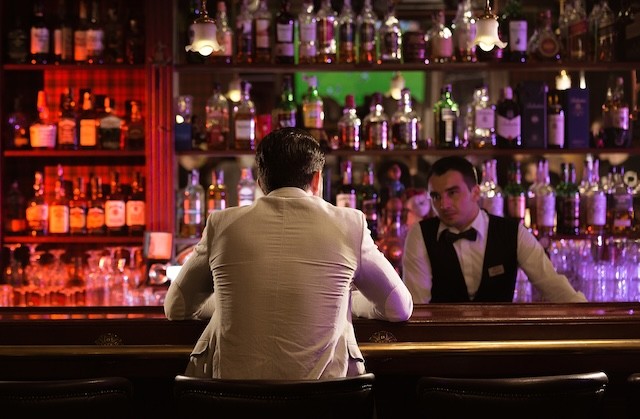
Bars are far from one-size-fits-all. Each concept draws a different crowd, serves drinks at a different pace, and runs to its own rhythm. That mix shapes everything from staffing to menu design to how you ring in sales, especially if you’re just starting a bar.
Understanding these differences is more than trivia. It is the base for healthy margins and smooth bar operations. A sports bar during a playoff game runs nothing like a quiet wine bar on a Tuesday night, and the tools should match that reality.
In this guide, we break down the major bar types, what makes each one tick, and what bar owners need in place to run them successfully.
High-Volume Pour Bars
These bars measure success by speed and volume. Guests want cold beer, simple mixed drinks, fair prices, and a familiar room. Their repeat foot traffic is from locals.
Dive Bars
Dive bars lean into an unpretentious vibe. Many are cash-friendly and run with low overhead. You will see domestic beers, well drinks, and a jukebox. No 12-step cocktail builds. Just pour, serve, and keep the line moving. The work centers on fast transactions, daily specials, and simple snacks.
Operational focus: low ticket averages, high transaction count, cash handling, rotating drink specials, basic food.
Sports Bars
Sports bars stack complexity on top of volume. Dozens of screens, game-day promos, and surges that hit right at kickoff or the final buzzer. Peak nights like the Super Bowl and playoff runs bring big groups and long tabs. Tabs need to move with the party, and pricing needs to switch with scheduled events.
Operational focus: group tab control, event pricing, peak staffing.
Local/Neighborhood Bars
Neighborhood spots are built on routine. The same faces each week, names known, and tabs for regulars. The charm of this type is consistency. That means loyalty tracking and easy recognition of repeat guests matter a lot.
Operational focus: guest recognition, running tabs, simple menu, steady pricing.
POS Needs for High-Volume Pour Bars
Fast order entry: two taps for a pint or a shot
Tab tools: open, split, and transfer without slowing the line
Cash and card flow: quick change for cash, speedy chip and tap
Happy hour automation: time-based pricing that flips on schedule
Sales by shift: spot slow and busy windows for staffing
Tip tracking per bartender
A purpose-built bar and nightclub POS handles the pace these bars demand while keeping tabs and specials under control.
Cocktail and Craft Bars
Here, the bartender is the draw. Precision and experience come first. Guests pay more and expect original drinks, seasonal menus, and a polished setting. Margins per drink are high, so recipe control matters.
Speakeasy Bars
Speakeasies lean into the hidden feel. Think unmarked doors, dim rooms, and limited seats. PDT in New York made this format famous. With tight capacity, every seat needs to earn. Reservations and a sharp menu plan are non-negotiable.
Operational focus: reservations, seat-by-seat revenue, cocktail cost tracking.
Mixology/Craft Cocktail Bars
These bars invest in techniques and goods. House bitters, fresh juice, clear ice, and rare spirits are crucial. Menus rotate with the season, so recipes shift often. Drinks take longer to build, so pour cost and prep steps must be crystal clear.
Operational focus: ingredient cost control, seasonal menu updates, recipe costing, staff training notes.
Tiki Bars
Tiki brings exotics and themes: ceramic mugs, layered garnishes, flaming peels, and rum-forward builds. Some drinks are batched. Others are showpieces. Prep time per drink varies a lot, which changes pacing on a busy night.
Operational focus: batch prep tracking, specialty ingredient inventory, per-drink prep time.
POS Needs for Cocktail and Craft Bars
Recipe and modifier setup with ingredient details
Quick menu updates for seasonal changes
Pour cost tracking by recipe
Reservation and table tools for limited seating
Ingredient-level inventory for rare or house-made items
Staff notes on menu items
Craft cocktail bars benefit from a flexible POS that keeps recipes current and costs tight without slowing service.
Brewpubs and Taprooms
These venues run as both production and hospitality. Beer is made on site, and taps change as kegs kick. The guest side often includes tours, events, and pairing nights. Many generic POS tools struggle with this mix.
Microbreweries with Taprooms
Brewing in the back, service in the front. Tap lists shift daily. Staff need live info on what is pouring. Flights are common and add order complexity. Most add retail too with merch, crowlers, or cans to go.
Operational focus: tap list control, flight ordering, keg and batch inventory, retail items, tour or event ticketing.
Brewpubs (Full Kitchen + Brewery)
Add a kitchen to the mix, and timing matters even more. Now you are syncing expo, cooks, bartenders, and servers. Guests often sit for full service, so table management becomes part of the plan.
Operational focus: kitchen-bar coordination, table control, pairing menus, reporting for both beer and food.
POS Needs for Brewpubs and Taprooms
Tap list updates that switch the moment a keg kicks
Flight builder tools without messy line items
Keg and batch tracking tied to each pour
Retail in the same system for cans, growlers, and merch
Kitchen screens for brewpub food service
Event ticket support for trivia, tastings, and beer dinners
Running a taproom or brewpub calls for a brewery and winery POS built around draft management, small-batch tracking, and retail in one place.
Wine Bars
Wine bars focus on discovery and conversation. Guests linger, ask questions, and often order food pairings. Lists shift by region and vintage. Check averages run high, and time-on-seat runs long.
Urban Wine Bars
City wine bars run big by-the-glass lists, bottle service, and small plates. Staff need to explain the list in plain terms. Inventory gets tricky with glass, carafe, and bottle sizing, plus open-bottle freshness.
Operational focus: by-the-glass pour tracking, bottle inventory, food pairing alignment, fast wine list updates.
Boutique Wine Lounges
These rooms are small and curated. A sommelier may guide the night. Short lists, premium pours, and a slower pace set the tone. Reservations help protect the guest experience.
Operational focus: reservation control, tasting note prompts in menu items, premium bottle service.
Tasting Rooms
Tasting rooms blend hospitality and retail. Flights lead to bottle sales or club signup. The checkout often mixes a tasting, a bottle to go, and a new membership.
Operational focus: flight menus, bottle retail, wine club management, ship-to-home or pickup.
POS Needs for Wine Bars
One item with glass, carafe, and bottle pricing
Quick list updates as vintages rotate
Open-bottle tracking to limit waste
Flight builder with easy pour swaps
Retail checkout for bottles to go
Wine club tracking for discounts and pickups
A POS system built for tasting rooms links flights, bottle sales, and club sign-ups in a single flow.
Nightclubs and Dance Bars
Nightclubs run two main channels at once: general bar service with huge volume, and VIP tables with high-ticket bottle service. Each needs a different service plan, and both need tight control.
General Bar Service in Nightclubs
Think high-volume pour bar at warp speed with loud music and steady lines. Many guests go cashless. Bartenders need near-instant ordering, quick pay, and simple tab tools.
Operational focus: speed, cashless tap-to-pay, wristband or card-on-file, clear tip entry.
VIP & Bottle Service
Tables spend four or five figures on bottles, mixers, and showy presentations. Servers manage reservations, bottle minimums, and splits across big groups.
Operational focus: table reservations, bottle minimum rules, complex checks, premium upsells.
POS Needs for Nightclubs and Dance Bars
Ultra-fast ordering with pre-set rounds and quick pay
Hundreds of open tabs without mix-ups
Bottle service menus with minimums and mixer modifiers
Cashless options and RFID wristbands
Cover charge collection in the same system
One report for bar, VIP, and door totals
Nightclubs need a POS that keeps pace at the rail and supports VIP service in the same shift.
Hotel & Rooftop Bars
These venues serve two groups at once. In-house guests want convenience. Locals want a night out with a view. Service quality has to hit both marks.
Luxury Hotel Bars
High-touch service leads the night. Classic builds share space with signature drinks. Guests often ask to post to their room. Smooth sync with the property system keeps the front desk and bar in step.
Operational focus: room charge posting, PMS sync, high check average, discreet service.
Rooftop Bars
The view brings the crowd. Weather swings can change demand fast. Many rooftops run reservations and private events. Portable card readers help staff cover the floor.
Operational focus: reservation and capacity controls, seasonal staffing, event hosting, outdoor payment gear.
Poolside Bars
Outdoor setups bring distance from the main bar and guests without wallets. Service might be cabana-only, server-led, or QR-based. A handheld POS that works anywhere on the property keeps orders moving.
Operational focus: mobile POS for outdoor zones, room charge, QR/table ordering, gear that handles water and sun.
POS Needs for Hotel and Rooftop Bars
Room charge support that posts to the folio
Works with Opera, Cloudbeds, Maestro, and other PMS tools
Handheld ordering for pool and rooftop service
Reservation and capacity tools
Event and private hire tracking
Multi-outlet reporting across lobby, rooftop, and pool bars
Hotel and rooftop teams benefit from a POS software with mobile tools and property system ties that cover every outlet.
Summing Up
From the stripped-down speed of a dive bar to the showmanship of a tiki bar, from a taproom juggling rotating batches to a rooftop bar tied to a hotel PMS, each format has its own pattern. Bar types differ in pace, pricing, seating, and service model. That mix calls for tools that match how you operate today and where you plan to take the concept next.
Owners who map their cost structure and sales channels set themselves up to win. A generic restaurant POS often misses key needs like tap control, bottle service rules, or room charge posting. You want a system that speaks bar.
Blogic builds that. If you run a pour bar, cocktail spot, nightclub, or hotel venue, see how ourbar and nightclub POS handles the pace and the details.

Erick Tu
Author
Related Articles
Mar 16, 2026
Many restaurants track revenue but miss food cost percentage. Here’s how to calculate it right.
Mar 16, 2026
Restaurant workflow automation explained through practical starting points, key areas to automate, and common mistakes that add more work instead of removing it.

Mar 16, 2026
A clear, practical look at restaurant POS features that actually impact daily operations, from order flow and payments to inventory, reporting, and staff management.